Norwich Roof Repairs: What Homeowners Should Know Before Calling a Roofer
When the Weather Tests Your Roof
Living in Norwich means getting used to changeable skies. One morning you wake to hard frost, by lunchtime the rain is coming in sideways off the North Sea, and by evening the sun is out again. That constant movement takes a toll on roofs that were often built for calmer conditions. Over the years I have seen the same pattern: a small leak ignored in autumn becomes a soaked ceiling by February.
The trick is to catch problems early. A missing slate or a lifted clay tile might not seem urgent in July, but by October the wind finds the gap and water follows. That is why norwich roof repairs are rarely a single event. They tend to be a series of small fixes that, if handled well, keep a roof healthy for decades. The aim is not to patch and pray, but to look at the whole system and understand how each part supports the next.
What Actually Goes Wrong on Norfolk Roofs
Norfolk has its own set of roofing issues. The damp climate encourages moss and lichen, which hold moisture against the tiles and can work their way under the edges. In older properties you often find original clay tiles that are still sound but have lost their nibs. On newer builds, the weak point is sometimes the underlay, which can degrade faster than the tiles above it.
Lead flashing is another common culprit. It expands and contracts with temperature changes, and after twenty or thirty years it can crack along the folds. I have been on jobs where the flashing looked fine from the ground, but up close you could see hairline fractures that were letting water straight into the wall cavity. The same goes for valley gutters, especially where they meet a chimney or a dormer.
Then there is the storm damage factor. Norwich has had its share of violent weather in recent years. High winds lift tiles, and flying debris can punch holes in a roof that was otherwise in good shape. After a bad storm, I always advise homeowners to check their roofline from the street. If you can see daylight through a gap or spot a tile that has shifted, that is your cue to act.
Why a Local Roofer Makes a Difference
Roof repairs are not a job for a general handyman, no matter how capable they seem. Roofing requires specific skills, especially when you are working with slate or clay tiles. A local roofer who knows Norfolk properties will understand the building styles, the typical wind patterns, and the materials that perform best in this climate. They will also know which suppliers carry the exact tiles you need, which saves time and avoids the mismatch that happens when you buy a close but not identical replacement.
That local knowledge matters even more when you are dealing with insurance claims. If your roof has suffered storm damage, your insurer will want a clear report before they agree to pay. A roofer who has worked with local claims before can help you document the damage properly and give you an honest assessment of what is covered. I have seen homeowners struggle because they did not know how to describe the damage to their insurer. A good roofer will take photos, write a detailed estimate, and talk you through the process.
The Inspection That Saves You Money
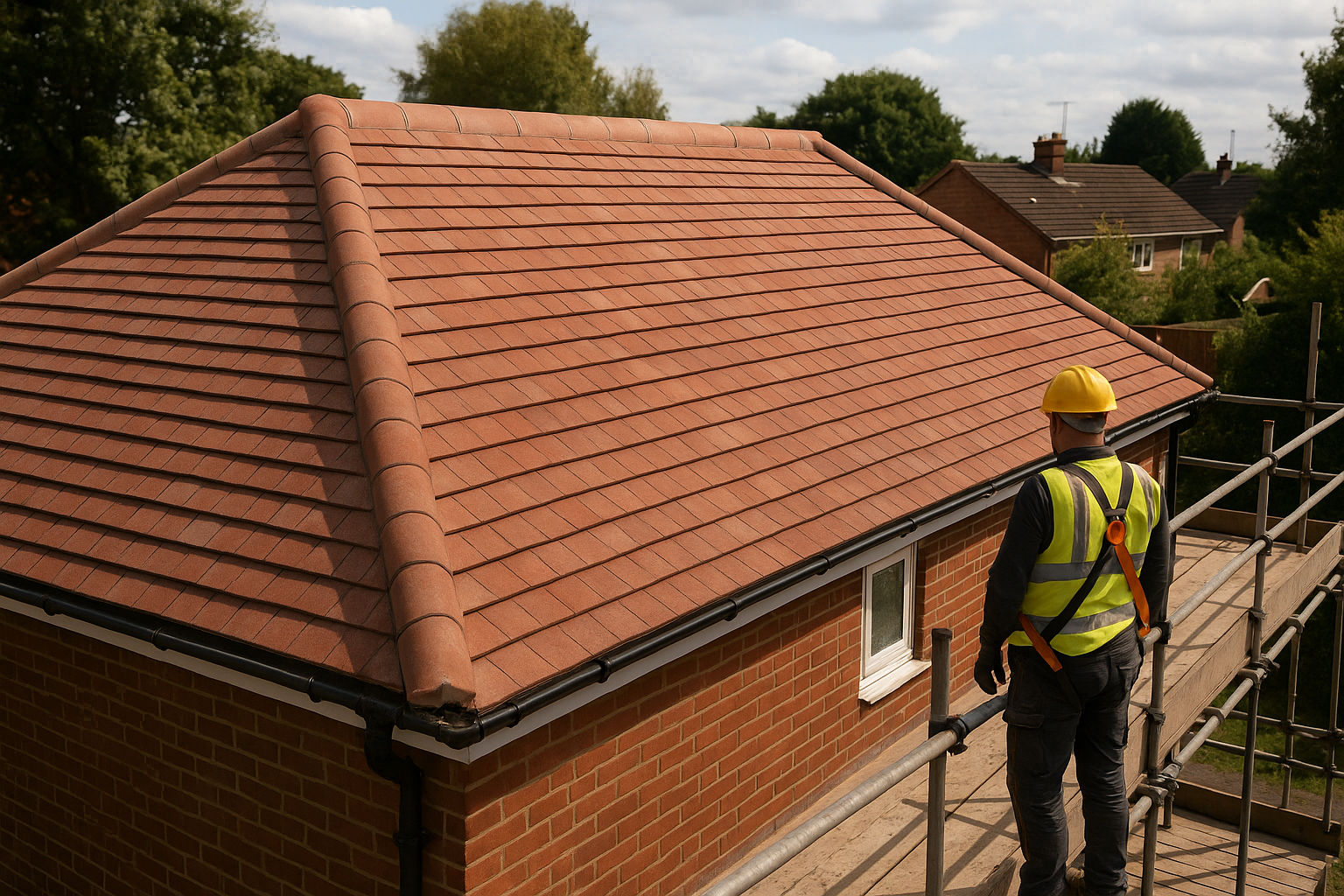
Most people only think about their roof when something is leaking. But a professional roof inspection can catch issues before they become emergencies. I recommend a full inspection at least every five years, and more often if you live near the coast or under big trees. During an inspection, the roofer should check the tiles and slates for cracks, examine the ridge and hip lines, look at the flashings around chimneys and valleys, and assess the condition of the guttering and downpipes.
They should also check the fascia and soffits, especially on older homes where these are often made of timber that has rotted over time. Rotten fascia can let water into the roof timbers and undermine the whole structure. It is not a glamorous job, but it is one of the most important.
Another thing a good inspector will do is check the roof ventilation. Modern homes are sealed up tight, which can cause condensation in the loft. That damp air can rot the roof timbers from the inside, even while the outer covering looks fine. Proper ventilation stops that. A roofer who understands ventilation will know where to fit vents and how many you need, based on the size and shape of your roof.
Repair or Replace? That Is the Real Question
When you call a roofer about a leak, they will almost always offer two options: repair the damaged section or replace the whole roof. The right answer depends on several factors. How old is the roof? What is the condition of the underlay? Are the tiles still being made, or are you looking at a discontinued profile? How much damage is there overall?
For example, if you have a concrete tile roof from the 1980s and one tile has cracked, a simple repair might be fine. But if the tiles are brittle and several have slipped, and the underlay is perished, then replacing the roof could actually be cheaper in the long run. You would avoid repeated callouts for new leaks, and you would get the chance to improve insulation and ventilation at the same time.
On the other hand, if you have a beautiful old slate roof, you do not want to rip it off unless you absolutely have to. Slate is expensive to replace, and the existing slates may have decades of life left. In that case, a targeted repair using reclaimed slates can be the best value. The same goes for clay tiles that are still in good shape but have come loose. Rebedding and re-pointing the ridge can resolve the issue without touching the main field of tiles.
Flat roofing is a different challenge. A flat roof has a much shorter lifespan than a pitched one, typically fifteen to twenty-five years depending on the material. If you are getting repeated leaks from a flat roof, the chances are you need a new covering rather than another patch. Modern materials like fibreglass or single-ply membranes are more durable than the old felt, and they can be coated with reflective finishes to reduce heat build-up in summer.
Roof Coatings and Other Options
There is also the option of roof coatings. These are liquid-applied membranes that can seal a roof and give it a new lease of life. They are not suitable for every situation, but on a flat roof or a low-pitch roof they can be a good alternative to a full replacement. A coating can also be used on a pitched roof to protect the tiles and improve waterproofing, though it changes the appearance and is not always the best choice for older, breathable roofs. A reputable roofer will tell you when a coating makes sense and when it does not.
Choosing a Roofer You Can Trust
Finding a roofer in Norwich is not hard. There are plenty of them in the phone book and online. The challenge is finding one who is reliable, honest, and skilled. I always tell people to ask for references and to check that the roofer is a member of a trade body such as the Roofing Contractors Federation. That gives you some reassurance about their standards and gives you recourse if something goes wrong.
You should also ask about insurance. A professional roofer will be fully insured, which protects you and them if there is an accident on your property. Do not be afraid to ask to see their insurance certificate. Any reputable roofer will be happy to show it.
If you are dealing with a major repair and are worried about the cost, it is worth talking to the Citizens Advice Bureau before you sign anything. They can give you free, independent advice about your rights and about dealing with contractors. That is especially useful if you are facing a large bill and want to make sure you are not being overcharged.
Building Regulations and Permissions
One thing that surprises many homeowners is that roof repairs and replacements can be subject to Building Regulations. If you are replacing a roof covering, you may need to upgrade the insulation and ventilation to meet current standards. A good roofer will know the rules and will either handle the paperwork for you or tell you exactly what you need to do. Ignoring these requirements can cause problems when you come to sell the house, so it is worth getting it right first time.
In most cases, you will not need planning permission for routine repairs or even a full reroof, as long as you are using similar materials. But if you are changing the shape of the roof or adding dormers or Velux windows, you will need to check. Velux windows are a popular way to bring light into a loft conversion, but they require careful fitting to avoid leaks. A roofer who is experienced with roof windows will know how to flash them properly and integrate them with the surrounding tiles.
The Cost of Doing Nothing
I have seen too many homeowners put off a small repair because they did not want to spend the money. A few months later, they are calling about a leak that has damaged the ceiling, the plaster, and the floorboards. The repair that would have cost two hundred pounds has become a two thousand pound insurance claim. And if the claim is declined because the damage was caused by general wear and tear rather than a storm, you are left with the whole bill.
That is why I always advise people to treat their roof like their car. You would not drive around with a warning light on the dashboard. Do not ignore the warning signs from your roof. A few missing tiles, a damp patch on the ceiling, or a gutter that is pulling away from the fascia are all signals that something needs attention.
Making the Right Call
When you do decide to get norwich roof repairs done, take your time choosing the right person. Get two or three quotes, ask for a written specification of what will be done, and do not be tempted by the cheapest price if it comes with vague promises. A good roofer will be happy to explain what they will do and why.
And remember, a roof is not just a covering. It is the main barrier between your home and the weather. It protects your family, your belongings, and the structure of the building itself. Looking after it is not an expense, it is an investment. With the right care, a roof can last for decades and give you peace of mind through every storm that Norfolk throws at it.
So if you notice a problem, do not wait. Call a local roofer who knows the area and understands the materials. Get the work done properly, and you will not have to worry about it again for a long time.
Ends · GL2LF330O3